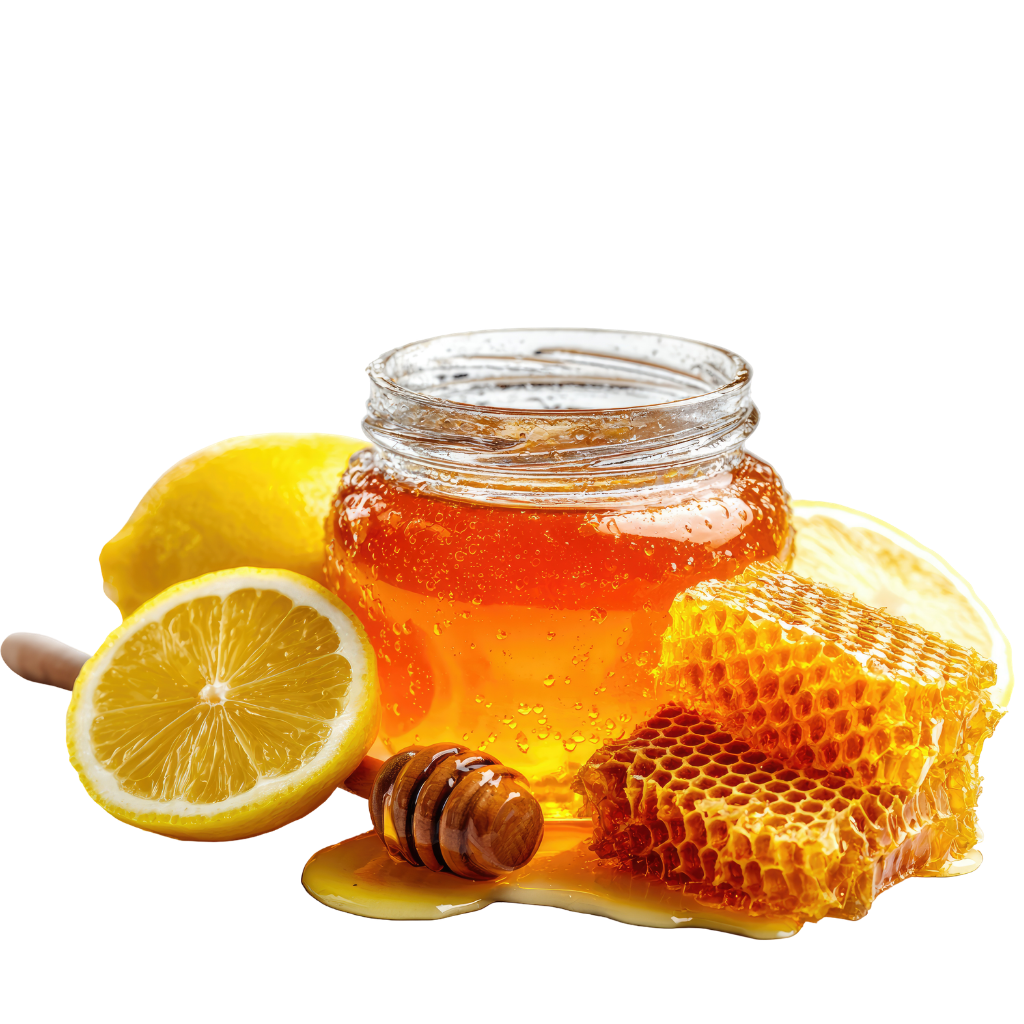
Pure, raw honey never truly expires; it can remain edible for decades or
even centuries if properly sealed and stored in a dry place.
Crystallization is a natural process where glucose separates from the
water, often faster in raw honey. It does not mean the honey is spoiled or
low quality.
Place the jar in a "hot bath" (a bowl of warm water) and stir gently. Do not
use plastic jars, as heat can melt them, and avoid over-heating, which
destroys beneficial enzymes.
Raw honey is not pasteurized (heated to 70°C+) or ultra-filtered. It retains
natural enzymes, antioxidants, and pollen, unlike most supermarket honey.
Creamed honey is crystallized honey blended with small, refined honey
crystals to create a smooth, spreadable texture.
Children under one year old should never be given honey (raw or
pasteurized) due to the risk of infant botulism spores.
Store honey in a tightly sealed container at room temperature, away from
direct sunlight. Refrigeration is not required and can accelerate
crystallization.
Because bees fly up to two miles to forage, it is very difficult to certify
honey as 100% organic. However, many local beekeepers use sustainable,
chemical-free, or natural methods to ensure high quality.
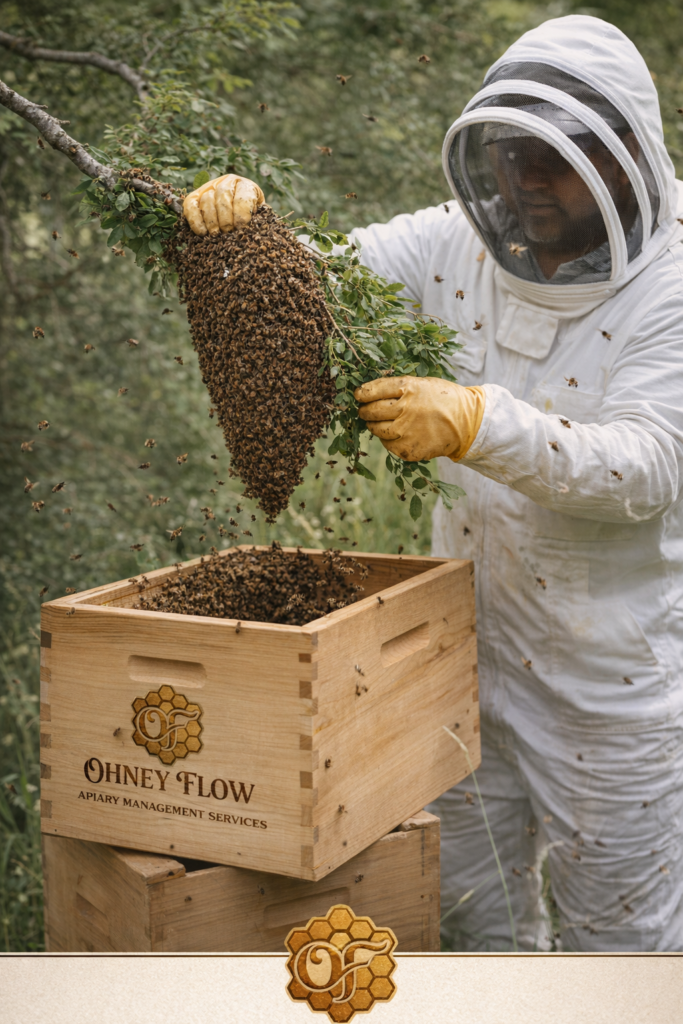
Bees are often kept in local areas—such as agricultural areas, wildflower
fields, or apiary yards—and moved seasonally to maximize nectar sources.
Local honey contains traces of pollen from the area, which some believe
helps the body build resistance to allergens.
Many honey businesses offer services to local landowners or farmers to
install hives for pollination, which increases agricultural yields and
supports bee populations.
Some apiaries offer, or can be asked about, beekeeping tours or
educational workshops, which are valuable for community engagement
and ecotourism.

Most artisanal/raw honey producers never pasteurize their honey, as heat
destroys the enzymes, amino acids, minerals, and vitamins.
Yes, many producers offer bulk honey for food service or private labeling,
sometimes requiring a minimum order quantity (MOQ).
Welcome Back 👋
Sign in to access your account and continue where you left off.
Welcome aboard 🚀
Create your account to access everything you need.